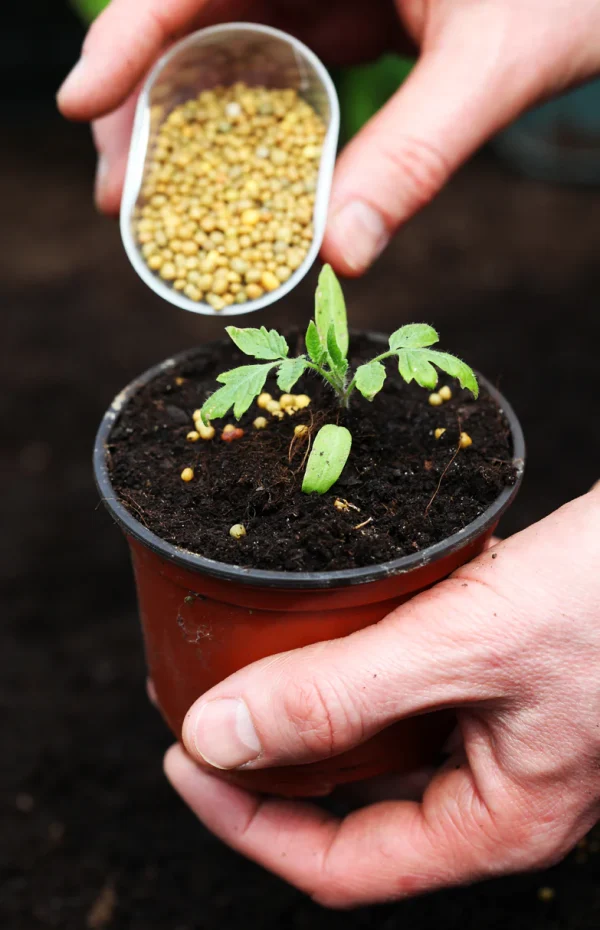
To promote vibrant blooms on your potted flowers , selecting the best nutrient solution is essential . Look for a fertilizer with a significant phosphorus number in the NPK ratio – typically something 10-30-10 or comparable . This element helps blossom development and brighter color. Think about a diluted slow release fertilizer for flower plants plant food for easy absorption or a controlled-release plant food for regular feeding. Always read the label directions carefully to prevent over-fertilizing .
Organic Fertilizer: A Guide for Vibrant Flower Pots
Want to create beautiful flower pots that burst with color? Employing plant food is a fantastic method. Unlike synthetic alternatives, organic fertilizer feeds your plants slowly, enriching the soil with helpful microbes and elements. This enhances root development, leading to stronger plants and more vibrant petals. Consider worm castings or fish emulsion for a genuinely satisfying gardening journey.
Ways to Fertilize Flower Plants Naturally & Well
Boosting your growth naturally is simpler than you realize . Instead of chemical fertilizers, consider homemade options! Worm castings are excellent sources of nutrients for flower plants. You can also use eggshells—these offer valuable nitrogen and phosphorus . Simply spread these near the roots of the and lightly incorporate them with the ground. Frequent applications, a several weeks during the blooming season, will produce beautiful and vigorous flower plants!
Ideal Water-Soluble Plant Food for Magnificent Flower Productions
Want rich blossom shade ? Improving your flower output starts with top-notch applied nourishment . Several fantastic choices are available for feeding your specimens. Consider products packed with P and plant food K – they're vital for healthy blooming . Also think about combinations with plant food N for green plant growth – a gorgeous floral needs a robust base .
Boosting Bloom Radiance: The Ideal Plant-based Boosters
To gain a vibrant display of flowers , think about moving beyond conventional fertilizers. Quite a few excellent organic options are obtainable to feed your plants. Compost is a superb all-around fertilizer , providing essential goodness. Or , bone meal offers a increase of phosphorus , vital for bud growth and bloom formation. Lastly , kelp meal provides trace elements and promotes general plant health .
Natural Fertilized Blooms: A Detailed Explanation
Achieving vibrant and healthy flowers often involves chemical fertilization, but what does "naturally fertilized" really mean? It signifies that the reproduction process has occurred without the assistance of humans – relying solely on insects and other organic factors. This results in seeds that, when planted, will produce blooms that are genetically faithful to the parent. Here's a examination at how to encourage this critical process:
- Encourage insects with regional greenery and a diverse range of flower colors and shapes.
- Allow your flowers to mature fully on the stalk and form seeds .
- Avoid the taking of spent flowers before they have a opportunity to produce seeds .
- Think about leaving some blooms un-deadheaded to allow seed production.
Naturally fertilized blooms offer a unique prospect to grow traditional varieties and contribute to environmental health.